

Inflation and Cost of Living in Idaho: 2026 Report
As the new year gets underway, it’s helpful for Idaho residents to understand how inflation and cost of living trends may affect household finances in 2026.
Before diving in, it’s worth clarifying what inflation means.
Simply put, inflation is the gradual increase in the general price level over time, which reduces the purchasing power of money. While inflation has eased from recent highs, it continues to affect everyday expenses and remains an important consideration for budgeting, saving, and long term financial planning.
Idaho’s Economic Landscape
Looking ahead in 2026, Idaho’s economy continues to outperform national trends.
Unemployment remains near historically low levels, and wage growth is steady. Job growth in North Idaho has outpaced the national average and is projected to continue this year, with overall employment expected to increase by approximately 3,000 jobs from 2025 through the end of 2026.
Population growth among retirees and younger residents, along with continued migration into Idaho, is supporting economic activity and sustaining demand for housing, services, and local businesses across the state.
Despite these positive indicators, many Idaho households remain cautious about the economic outlook.
Some families are cutting back on discretionary spending, while others are relying more heavily on credit cards to manage rising costs.
With housing costs consistently accounting for the largest share of household budgets, ranging from roughly 33% to 36% of typical spending, here are the major housing and utility cost updates Idaho residents should keep in mind.
Housing Costs
Overall, Idaho’s cost of living remains lower than the national average, with many households benefiting from comparatively lower healthcare costs and property taxes.
However, housing remains a key pressure point, particularly in North Idaho, where prices are expected to continue rising in 2026 as more people move into the region.
According to 2025 data from Apartments.com, the average rent in Idaho is $1,383, which is below the national average of $1,639. While this offers some relief for renters, homeownership remains more challenging.
The statewide median home price is $493,000, compared with the US median of $446,638.
Housing costs are even higher in North Idaho.
In November 2025, the median listing price for a home in Coeur d’Alene was about $620,000. In Kootenai County, the median home price reached $549,000, an increase of 4.3% from November 2024.
Limited single family housing inventory continues to put upward pressure on prices, with supply growth averaging just 3% to 4%.
Looking ahead, broader economic factors may influence affordability.
Increased pressure on the federal government to further lower the federal funds rate could lead to lower 30 year fixed mortgage rates. If that occurs, monthly payments for first time homebuyers may become more manageable, while homeowners with mortgage rates below 6% may be encouraged to list their properties, potentially increasing available inventory.
While home prices in Idaho remain higher than in some neighboring states, the state’s relatively low property tax rates help offset ownership costs for many residents.
Utility Costs
Utility expenses have increased for many Idaho residents as energy providers work to recover costs related to infrastructure investments, system upgrades, and rising operational expenses.
In North Idaho, Avista Utilities, a major electricity provider, received approval from the Idaho Public Utilities Commission for electric rate increases that took effect on September 1, 2025, with additional increases scheduled for September 1, 2026.
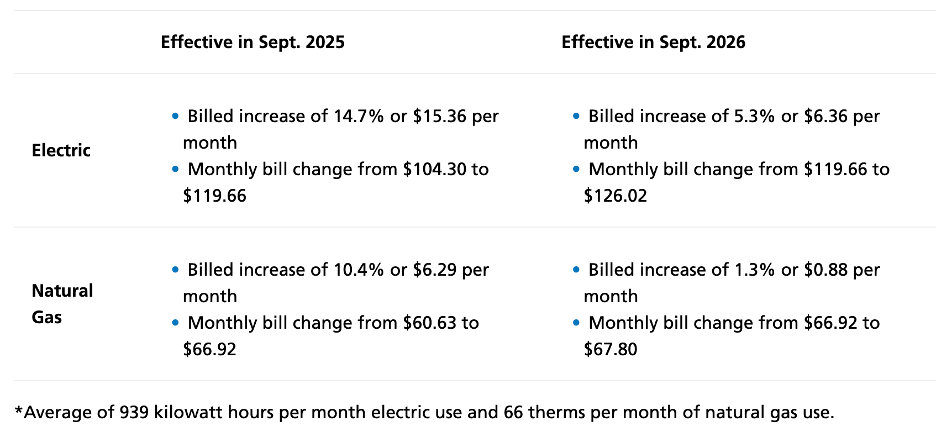
Kootenai Electric Cooperative has also increased its rates by 7.75%, effective January 2026.
Residents in Boise and Southern Idaho have experienced similar increases, with rate adjustments for Idaho Power and Intermountain Gas taking effect on January 1, 2026.
For Idaho Power customers, an average residential household using approximately 900 kilowatt hours per month is estimated to see a monthly increase of about $12.13. Customers of Intermountain Gas are facing comparable adjustments.
Despite these increases, Idaho continues to rank among the states with the lowest average electricity rates nationwide.
What This Means for Households
A stable job market combined with moderate inflation may provide a more predictable financial environment in 2026.
However, rising costs across housing, utilities, and everyday expenses make proactive planning more important than ever.
Understanding how inflation and local cost of living trends affect your cash flow, savings strategy, and retirement plan can help households stay on track throughout the year.
With decades of experience in retirement planning, Alpha 3 Wealth Management helps North Idaho families retire with confidence through personalized strategies that address housing, taxes, healthcare, and cost of living.
We’re here to help. Reach out to our team today to get started.